



How Window Tint Helps Protect Your Interior
How Window Tint Keeps Your Car Interior Protected

FSDAVCFEBFEVSDDVFSD

FSDAVCFEBFEVSDDVFSD

FSDAVCFEBFEVSDDVFSD
What Window Tint Actually Does for Your Interior
Most drivers don't think much about their car's interior until the damage is already done. Cracked dashboards, faded upholstery, warped trim panels, and discolored leather are common results of long-term sun exposure. What makes this frustrating is that most of it is preventable. Window tint blocks a significant portion of the UV rays and solar heat that cause this kind of gradual wear, and it starts working from the moment it's applied.
The connection between window tint and interior protection is straightforward. UV rays pass through untreated glass and break down the materials inside your vehicle over time. Leather dries out and cracks. Fabric fades and loses its color. Plastics become brittle and develop a hazy, worn appearance. Tint creates a barrier that reduces how much of that harmful light actually reaches your interior, slowing the aging process considerably.
What Window Tint Actually Does for Your Interior
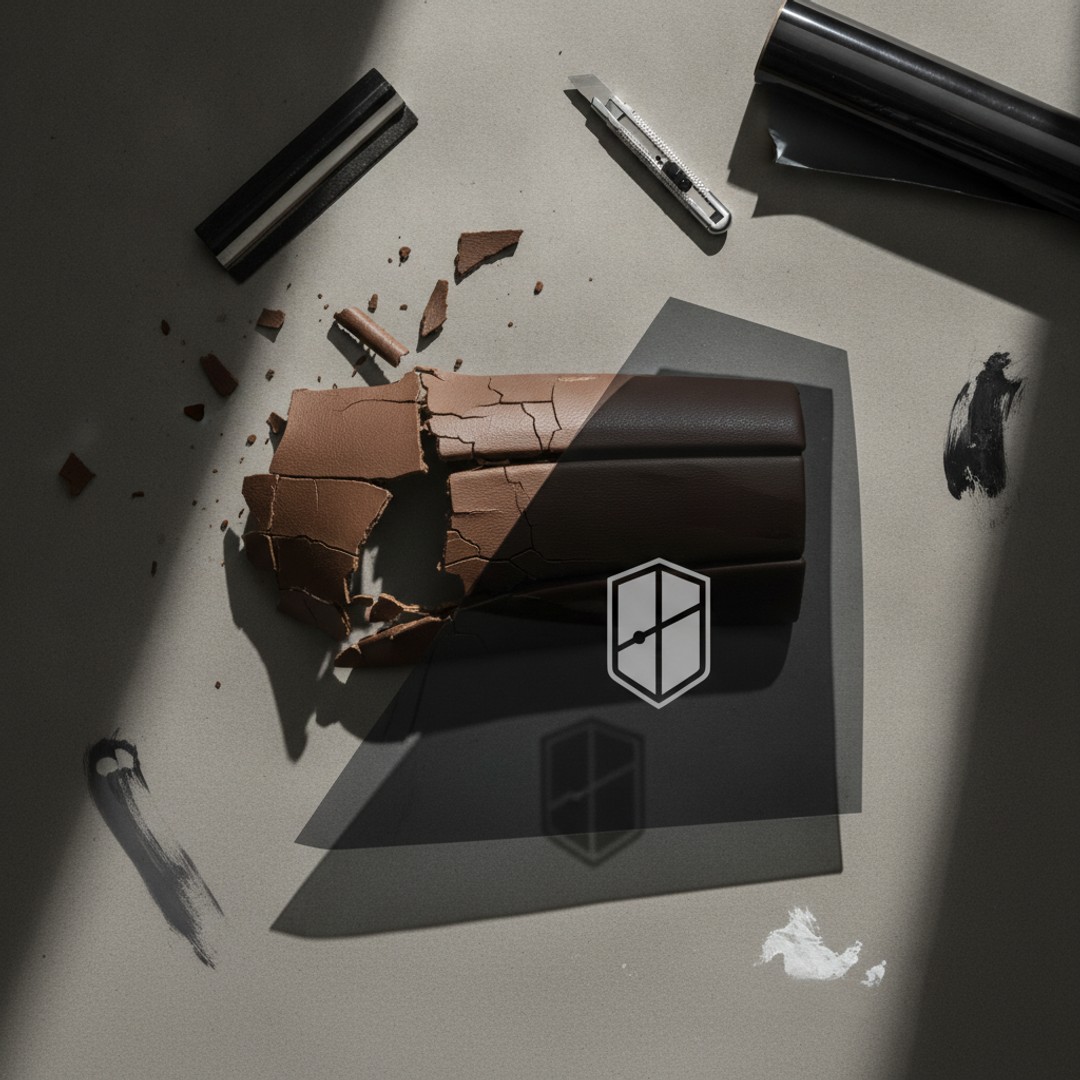
Most drivers don't think much about their car's interior until the damage is already done. Cracked dashboards, faded upholstery, warped trim panels, and discolored leather are common results of long-term sun exposure. What makes this frustrating is that most of it is preventable. Window tint blocks a significant portion of the UV rays and solar heat that cause this kind of gradual wear, and it starts working from the moment it's applied.
The connection between window tint and interior protection is straightforward. UV rays pass through untreated glass and break down the materials inside your vehicle over time. Leather dries out and cracks. Fabric fades and loses its color. Plastics become brittle and develop a hazy, worn appearance. Tint creates a barrier that reduces how much of that harmful light actually reaches your interior, slowing the aging process considerably.
How UV Rays Damage Interior Surfaces Over Time
Solar heat is one of the most overlooked sources of interior damage. On a warm day, the temperature inside an untreated vehicle can climb well above the outside air temperature in a short amount of time. That kind of sustained heat breaks down adhesives, warps plastic components, dries out leather and vinyl, and accelerates fading on fabric surfaces. Window tint significantly reduces how much heat builds up inside the cabin by blocking a portion of solar energy before it passes through the glass.
Not all tint performs equally when it comes to heat rejection. Standard dyed films absorb some heat but don't block it as effectively as ceramic or carbon-based options. Ceramic window tint uses non-metallic particles embedded in the film to block infrared heat without interfering with electronic signals or changing how the glass looks from the outside. This makes it one of the more effective choices for both heat control and long-term clarity.
The practical difference in cabin temperature is noticeable on hot days. A well-tinted vehicle takes less time to cool down, puts less demand on the air conditioning system, and stays more comfortable during short stops. For vehicles that sit in direct sun regularly, quality window tint can meaningfully reduce how hard the interior materials have to work against heat exposure every single day.
Heat Build-Up and What It Costs Your Interior
Heat is the other major threat that window tint addresses. Vehicles parked in direct sun can reach interior temperatures well above 130 degrees Fahrenheit on a hot day. That level of heat accelerates chemical breakdown in adhesives, foam padding, plastic trim, and leather treatments. The damage is gradual but consistent.
High-quality tint film, particularly ceramic window tint, blocks a large percentage of solar energy. That reduction keeps the cabin significantly cooler when the vehicle is parked and lowers the heat load while driving. A cooler interior experiences less thermal stress on its materials over time.
There is also a comfort factor worth noting. Getting into a vehicle that has not been sitting in an oven-level heat makes a real difference on summer days. The air conditioning system does not have to work as hard to bring the temperature down, which can reduce fuel consumption and mechanical wear on the system over time.
Heat Build-Up and What It Costs Your Interior
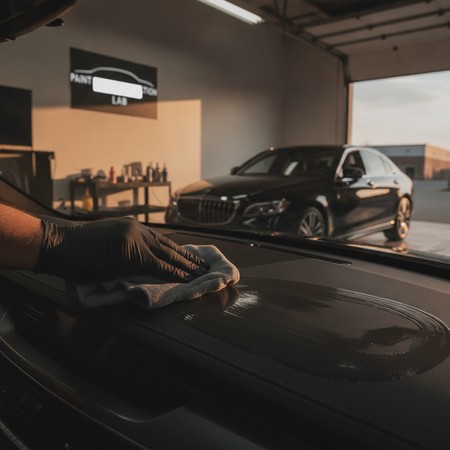
Heat is the other major threat that window tint addresses. Vehicles parked in direct sun can reach interior temperatures well above 130 degrees Fahrenheit on a hot day. That level of heat accelerates chemical breakdown in adhesives, foam padding, plastic trim, and leather treatments. The damage is gradual but consistent.
High-quality tint film, particularly ceramic window tint, blocks a large percentage of solar energy. That reduction keeps the cabin significantly cooler when the vehicle is parked and lowers the heat load while driving. A cooler interior experiences less thermal stress on its materials over time.
There is also a comfort factor worth noting. Getting into a vehicle that has not been sitting in an oven-level heat makes a real difference on summer days. The air conditioning system does not have to work as hard to bring the temperature down, which can reduce fuel consumption and mechanical wear on the system over time.
Glare from direct sunlight or reflected light off other vehicles can make driving uncomfortable and, in some situations, genuinely dangerous. Window tint reduces visible light transmission through the glass, which lowers the intensity of glare reaching the driver's eyes. This is especially relevant during morning and late-afternoon drives when the sun sits low on the horizon and hits the windshield at a difficult angle.
Beyond driving comfort, reduced glare also lowers eye strain during longer trips. Drivers who spend a lot of time on the road often report feeling less fatigued when the cabin light level is more controlled. Tint doesn't eliminate the need for sun visors in all conditions, but it does take the edge off in everyday driving situations where squinting and readjusting is otherwise a constant issue. Good tint balances light reduction with enough visibility to keep driving safe and comfortable.
Choosing the Right Tint Level for Interior Protection
Window tint contributes to interior protection in ways that aren't always immediately visible. Upholstery, whether leather, vinyl, or fabric, has a lifespan that's directly affected by UV exposure. Factory materials are durable, but repeated exposure to UV radiation causes the fibers and surface treatments to break down at a molecular level. Colors shift, textures change, and materials that once felt soft and supple become stiff or fragile over time. Tint slows that process by limiting how much UV light reaches the surfaces in the first place.
Dashboard cracking is another common result of sun exposure. Most dashboards are made from plastic or composite materials that expand and contract with temperature changes. Over many cycles, this movement creates stress fractures that eventually turn into visible cracks. Blocking heat and UV with quality window tint reduces the severity of those expansion and contraction cycles, which helps the dashboard hold up longer.
For owners who plan to keep their vehicle for many years or want to protect resale value, interior condition matters. A vehicle with a faded, cracked, or worn interior looks older than its actual age and typically appraises lower. Window tint is one of the more practical ways to maintain interior appearance without ongoing maintenance costs. The protection it provides is passive, meaning once it's installed, it works every time the vehicle is in use without any additional effort required from the driver.
How Tint Works Alongside Other Protection Services
Window tint works well as a standalone service, but it also fits into a broader protection plan. If your vehicle already has paint protection film on the exterior and a ceramic coating applied to the paint, adding tint gives the interior the same level of attention. The exterior is protected from chips and contaminants, and the interior is shielded from UV and heat.
Paint correction and ceramic coating applied inside the vehicle to trim or glass surfaces can complement tinted windows by keeping those surfaces cleaner and more resistant to contamination. Detailing also plays a role. Keeping leather conditioned and interior surfaces clean reduces how quickly they show the effects of any heat or UV that does get through.
Thinking about protection as a whole rather than a single service at a time gives your vehicle better long-term results across both the exterior and the cabin.
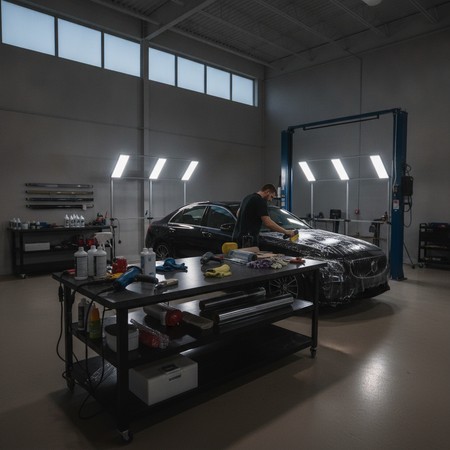
Window tint works best when it's installed correctly on clean, properly prepared glass. Film applied to contaminated or scratched glass won't bond evenly, which creates bubbles, lifting edges, and reduced clarity over time. Professional installation involves a thorough cleaning process, precise cutting to match the glass shape, and careful application to avoid air pockets and debris trapped beneath the film. The quality of the installation affects how long the tint lasts and how well it performs.
Choosing the right tint type for your specific vehicle, climate, and goals makes a significant difference in long-term satisfaction. Ceramic options cost more upfront but offer better heat rejection, longer durability, and signal-friendly performance. Dyed and hybrid films can be appropriate for lower-budget applications or vehicles with more modest needs. A good consultation before installation helps match the film type to what actually matters most for how and where you drive.
Window Tint Is a Long-Term Investment Worth Making
Replacing faded leather, cracked trim panels, or a warped dashboard costs significantly more than a quality tint installation. Most vehicle owners do not connect the gradual interior wear they see over the years to preventable UV and heat exposure, but the relationship is direct. Every day a vehicle sits without tinted windows, the interior takes a small amount of irreversible damage from the sun.
Window tint changes that equation without requiring a major investment. A professional installation using quality ceramic film can last a decade or more before showing any significant degradation. During that time, your seats, panels, and trim are shielded from the UV radiation and heat cycles that cause the most damage. The cabin stays cooler, the materials hold their color and texture longer, and the vehicle is more comfortable to get into on hot days.
If you are researching tint options or want to understand what film type is right for your vehicle, our team can walk you through the choices. We look at your vehicle, your daily use, and your protection goals before recommending anything. Give us a call during business hours or reach out online to get started.
Paint Protection Lab
Paint Protection Film & Ceramic Coatings
STAY CURRENT ON VEHICLE PROTECTION
Subscribe to get the latest articles on paint protection, coatings, tint, and detailing delivered to your inbox.
STAY CURRENT ON VEHICLE PROTECTION
Subscribe to get the latest articles on paint protection, coatings, tint, and detailing delivered to your inbox.
Contact Info
Service Hours
Social Media
Mon-Fri: 9:00AM - 6:00PM EST
Saturday: 10:00AM - 3:00PM EST
Sunday: 10:00AM - 3:00PM EST



Licensed & Insured
Connect With Our Socials
Contact Info
Service Hours
Mon-Fri: 9:00AM - 6:00PM EST
Saturday: 10:00AM - 3:00PM EST
Sunday: 10:00AM - 3:00PM EST
Social Media
Licensed & Insured
©2026 Paint Protection Lab
Powered by: Customers Plus
Powered by: Customers Plus
Powered by: Customers Plus