



Paint Protection Film vs. Ceramic Coating
PPF or Ceramic Coating: What Does Your Vehicle Actually Need

FSDAVCFEBFEVSDDVFSD

FSDAVCFEBFEVSDDVFSD

FSDAVCFEBFEVSDDVFSD
What Paint Protection Film and Ceramic Coating Actually Do
Paint protection film and ceramic coatings are two of the most popular ways to protect a vehicle's finish, but they work in fundamentally different ways. Understanding those differences helps you choose the right protection for your specific situation, your vehicle's condition, and how you plan to use and maintain it long term.
Paint protection film is a physical, transparent urethane layer applied directly to the paint surface. It absorbs impact from rock chips, road debris, and scratches before that damage reaches the paint underneath. Ceramic coating, by contrast, is a liquid that bonds chemically to the paint and cures into a hard, slick protective layer. It improves gloss, repels water and contaminants, and makes regular washing much easier. Both products protect the paint, but they do it through entirely different mechanisms and offer different strengths depending on what problems you are trying to solve.
What Paint Protection Film and Ceramic Coating Actually Do
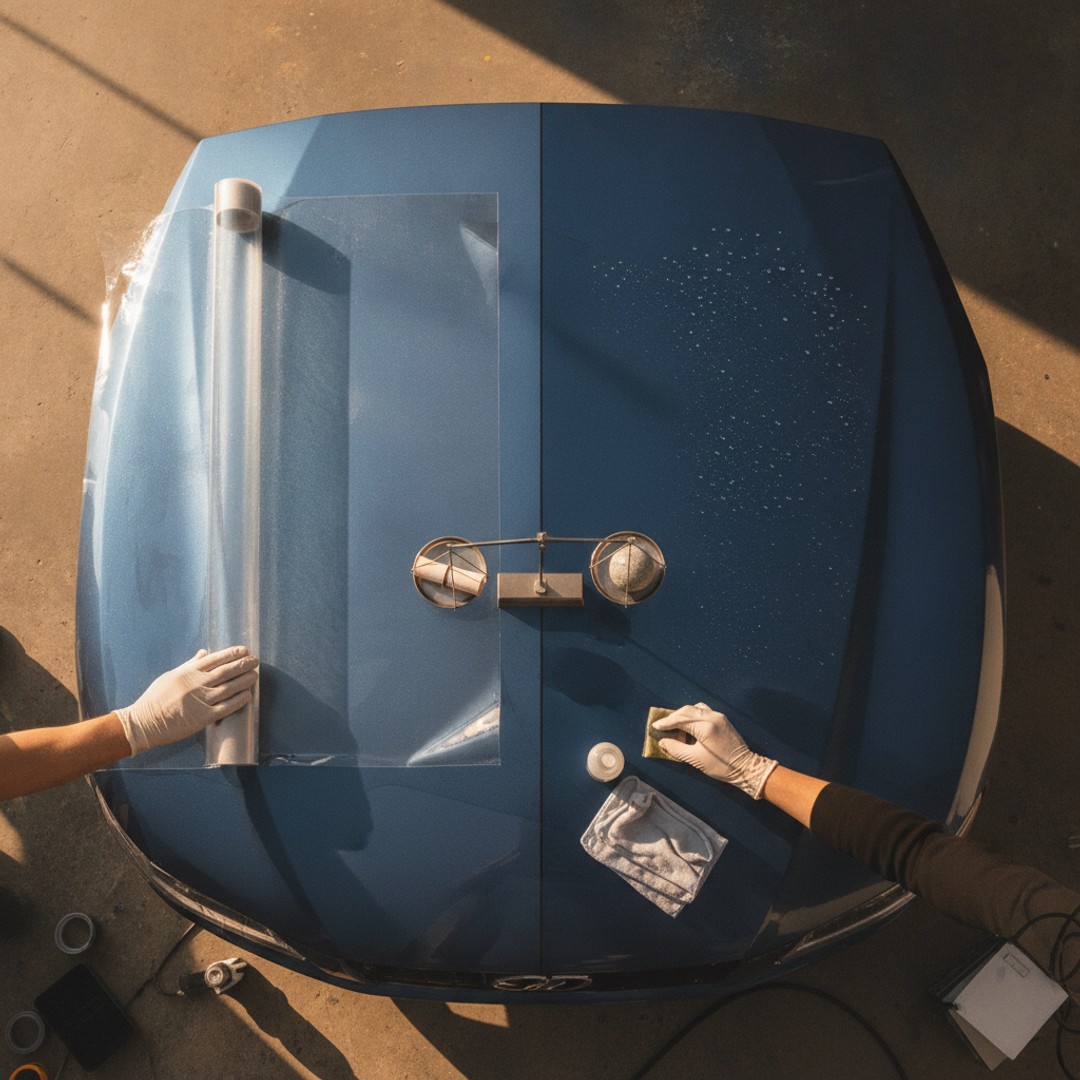
Paint protection film and ceramic coatings are two of the most popular ways to protect a vehicle's finish, but they work in fundamentally different ways. Understanding those differences helps you choose the right protection for your specific situation, your vehicle's condition, and how you plan to use and maintain it long term.
Paint protection film is a physical, transparent urethane layer applied directly to the paint surface. It absorbs impact from rock chips, road debris, and scratches before that damage reaches the paint underneath. Ceramic coating, by contrast, is a liquid that bonds chemically to the paint and cures into a hard, slick protective layer. It improves gloss, repels water and contaminants, and makes regular washing much easier. Both products protect the paint, but they do it through entirely different mechanisms and offer different strengths depending on what problems you are trying to solve.
How Each Product Protects Your Vehicle's Paint
Paint protection film works by taking the physical hit so your paint does not have to. When a rock or piece of road debris strikes a panel protected by PPF, the film absorbs and disperses the energy. Most quality films also have a self-healing top coat that allows light surface scratches to disappear with heat from the sun or warm water. This makes PPF an especially strong choice for front-facing surfaces that take the most road punishment.
Ceramic coating works differently. Instead of absorbing physical damage, it bonds to the paint surface and creates a hydrophobic, chemically resistant layer. Water beads up and rolls off easily, contaminants like bird droppings and tree sap have a harder time bonding, and the paint maintains a deeper, more consistent gloss between washes. Ceramic coating does not stop rock chips, but it dramatically reduces how much effort it takes to keep the vehicle clean.
The key distinction is this: PPF handles physical protection and ceramic coating handles surface protection. One stops chips and scratches. The other repels water, dirt, and chemical damage while improving how the vehicle looks day to day. Knowing which problem you are solving points you toward the right product or a combination of both working together.
Which Situations Call for PPF Over Ceramic Coating
Choosing between PPF and ceramic coating often comes down to what you want to protect against and how much maintenance you are willing to do over time. For drivers who spend a lot of time on highways, gravel roads, or in construction zones, PPF on the front bumper, hood, fenders, and mirrors provides real, physical protection where chips and scratches are most likely to happen.
For drivers who prioritize how their vehicle looks and want to spend less time washing and decontaminating the paint, ceramic coating is a strong choice. It does not protect against chips, but it keeps the paint in better condition between details, reduces water spotting, and gives the finish a noticeably deeper gloss that lasts for years with proper care.
Many vehicle owners choose to combine both. PPF covers the high-impact zones where physical damage is most likely, and ceramic coating goes over the film and the rest of the vehicle's painted surfaces. This approach gives you the strongest overall protection without having to choose one benefit over the other.
Which Situations Call for PPF Over Ceramic Coating
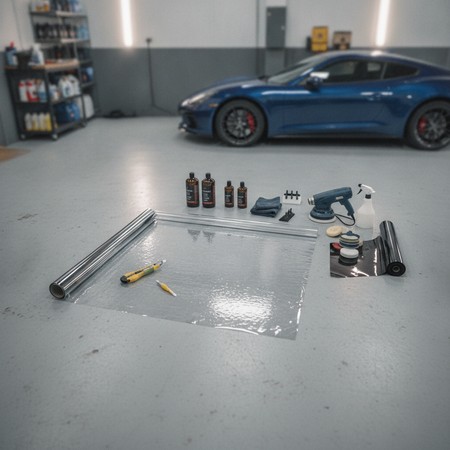
Choosing between PPF and ceramic coating often comes down to what you want to protect against and how much maintenance you are willing to do over time. For drivers who spend a lot of time on highways, gravel roads, or in construction zones, PPF on the front bumper, hood, fenders, and mirrors provides real, physical protection where chips and scratches are most likely to happen.
For drivers who prioritize how their vehicle looks and want to spend less time washing and decontaminating the paint, ceramic coating is a strong choice. It does not protect against chips, but it keeps the paint in better condition between details, reduces water spotting, and gives the finish a noticeably deeper gloss that lasts for years with proper care.
Many vehicle owners choose to combine both. PPF covers the high-impact zones where physical damage is most likely, and ceramic coating goes over the film and the rest of the vehicle's painted surfaces. This approach gives you the strongest overall protection without having to choose one benefit over the other.
One thing worth knowing is that PPF and ceramic coating are not mutually exclusive. A common and very effective approach is to apply PPF to the front bumper, hood, fenders, side mirrors, and rocker panels, then apply ceramic coating over the film and across the rest of the vehicle. This gives you physical impact protection on the areas that need it most and chemical and UV protection everywhere else, including surfaces that are not covered by film.
When ceramic coating is applied over PPF, it also makes the film itself easier to clean, more hydrophobic, and more resistant to surface contamination. The two products work well together, and many customers who start with one eventually add the other. Understanding which surfaces face the most risk on your specific vehicle is a good starting point for deciding what combination makes the most sense before scheduling a consultation.
When Combining PPF and Ceramic Coating Makes Sense
Before committing to either product, it helps to think honestly about how and where you drive. Highway driving exposes the front of your vehicle to a constant stream of road debris, especially behind commercial trucks or in areas with loose gravel. If your commute or regular routes put your paint at regular risk of chips and strikes, PPF on the front-facing panels is a practical investment that pays for itself by preventing costly paint damage over time.
If your primary concern is keeping the vehicle looking clean, reducing time spent washing, and protecting against environmental factors like UV exposure, bird droppings, tree sap, and industrial fallout, ceramic coating addresses all of those problems directly. It also adds some resistance to light surface marring during washing, though it is not a substitute for careful washing technique.
Budget is also a real factor. Full-front PPF installations cost more than a ceramic coating on the same areas, and a full-vehicle PPF package is a significant investment. Ceramic coating covers the whole vehicle at a lower price point and still provides meaningful protection. For many drivers, starting with ceramic coating and adding PPF to the highest-risk areas is a practical way to build a solid protection plan without doing everything at once.
How Paint Correction Fits Into the Protection Process
Paint correction is a separate but closely related service that often comes up in conversations about PPF and ceramic coating. Before either product is applied, the paint surface needs to be in good condition. If swirl marks, light scratches, oxidation, or haze are already present, those defects will be sealed under the film or coating and preserved rather than hidden.
Paint correction uses machine polishing to reduce or remove surface defects before the protective layer goes on. This step is not always required, but it is strongly recommended for vehicles with visible paint issues or for customers who want the best possible finish under their protection.
The order of services matters. Correction comes first, then film or coating is applied over a clean, defect-free surface. Skipping this step and applying protection over compromised paint locks those problems in permanently. If your paint already looks clean and clear, correction may not be necessary, but having it assessed before installation is always a smart move.
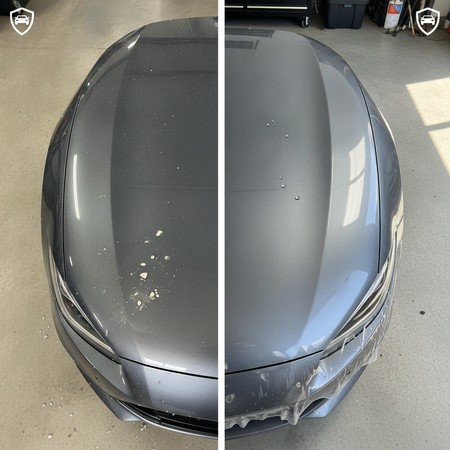
Detailing also plays an ongoing role in maintaining both PPF and ceramic coating after installation. Regular washing removes bonded contaminants before they have time to etch into the film or coating surface. Periodic decontamination treatments remove iron particles and embedded fallout that standard washing cannot address. And occasional maintenance coating applications help extend the life of the ceramic layer and keep it performing at its best.
If you are considering PPF, ceramic coating, or both, it is worth asking about what aftercare looks like before installation so you know what to expect going forward. Some coatings require an initial curing period before the vehicle gets wet or is washed. Film installations may need a few days to fully bond and settle at the edges. Knowing the care requirements in advance helps you plan around the installation and get the most out of your protection long term.
Choosing the Right Protection Plan for Your Vehicle
Choosing between paint protection film and ceramic coating is rarely a matter of one being better than the other in every situation. They solve different problems, and the right answer depends entirely on your vehicle, your driving habits, your budget, and what you value most in a protection plan. Some drivers need physical impact protection above everything else. Others prioritize appearance, easier maintenance, and long-term gloss. Many benefit from a combination of both applied strategically across the vehicle.
The most important step is getting your vehicle assessed by someone who understands both products at a technical level and can give you honest, specific advice based on your actual paint condition and goals. A good recommendation should be based on your vehicle, not a fixed menu of packages.
Our team at Paint Protection Lab works through this evaluation with every customer before recommending anything. Whether you are looking at full-front PPF, a full-vehicle ceramic coating, a combined approach, or want to start with paint correction before adding protection, give us a call during business hours and we will walk you through the options that make the most sense for your specific vehicle.
Paint Protection Lab
Paint Protection Film & Ceramic Coatings
STAY CURRENT ON VEHICLE PROTECTION
Subscribe to get the latest articles on paint protection, coatings, tint, and detailing delivered to your inbox.
STAY CURRENT ON VEHICLE PROTECTION
Subscribe to get the latest articles on paint protection, coatings, tint, and detailing delivered to your inbox.
Contact Info
Service Hours
Social Media
Mon-Fri: 9:00AM - 6:00PM EST
Saturday: 10:00AM - 3:00PM EST
Sunday: 10:00AM - 3:00PM EST



Licensed & Insured
Connect With Our Socials
Contact Info
Service Hours
Mon-Fri: 9:00AM - 6:00PM EST
Saturday: 10:00AM - 3:00PM EST
Sunday: 10:00AM - 3:00PM EST
Social Media
Licensed & Insured
©2026 Paint Protection Lab
Powered by: Customers Plus
Powered by: Customers Plus
Powered by: Customers Plus