



Ceramic Coatings
Professional Ceramic Coating Service in Charlotte NC

FSDAVCFEBFEVSDDVFSD

FSDAVCFEBFEVSDDVFSD

FSDAVCFEBFEVSDDVFSD
What Ceramic Coating Does for Your Vehicle
Ceramic coating is one of the most effective long-term protection options available for vehicle paint. Unlike traditional waxes that wear off within weeks, a properly applied ceramic coating bonds directly to the clear coat and creates a durable, semi-permanent layer of protection that holds up through regular washing, seasonal weather, and everyday road exposure.
At our shop, ceramic coating services start with careful surface preparation. The paint is washed, decontaminated, and inspected before any coating is applied. If the paint has swirl marks, light scratches, or oxidation, we recommend paint correction first so the coating bonds to a clean, smooth surface. This preparation step is what separates a coating that looks great for years from one that simply seals in existing problems.
What Ceramic Coating Does for Your Vehicle
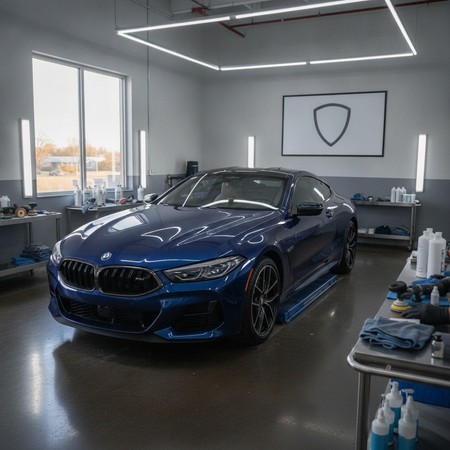
Ceramic coating is one of the most effective long-term protection options available for vehicle paint. Unlike traditional waxes that wear off within weeks, a properly applied ceramic coating bonds directly to the clear coat and creates a durable, semi-permanent layer of protection that holds up through regular washing, seasonal weather, and everyday road exposure.
At our shop, ceramic coating services start with careful surface preparation. The paint is washed, decontaminated, and inspected before any coating is applied. If the paint has swirl marks, light scratches, or oxidation, we recommend paint correction first so the coating bonds to a clean, smooth surface. This preparation step is what separates a coating that looks great for years from one that simply seals in existing problems.
How Ceramic Coating Protects Paint Long Term
Ceramic coatings are liquid polymer products applied by hand to a vehicle's exterior surfaces. Once cured, they bond chemically to the paint and form a semi-permanent, hard protective layer. This layer does not wash away like a wax or sealant, which means the protection and gloss it provides last significantly longer under normal driving and washing conditions.
The practical benefits are straightforward. A coated surface repels water through strong hydrophobic action, causing it to bead and roll off rather than sitting and evaporating. Dirt and road grime have a harder time sticking, so the vehicle stays cleaner between washes. When contaminants do land on the surface, they are far easier to remove with minimal effort and less chance of scratching the paint.
Ceramic coatings also protect against UV oxidation, light chemical exposure, and environmental fallout. For daily drivers that accumulate real-world wear, a quality coating applied over properly corrected paint can keep the finish looking cleaner and more protected for years.
The Ceramic Coating Process from Prep to Finish
The ceramic coating process begins with a full exterior wash to remove loose dirt, followed by a chemical decontamination step that pulls out embedded iron particles and bonded contaminants from the paint surface. This gives the coating a clean foundation to bond to.
Once the surface is clean and dry, our team inspects the paint under controlled lighting to identify any defects that should be addressed before coating. Swirl marks, water spots, or light scratches are corrected at this stage rather than sealed in permanently beneath the coating.
The coating is then applied panel by panel in a controlled environment. Each layer is allowed to level before being wiped to a clean finish. After application, the coating requires a cure period before the vehicle is exposed to water or road conditions, giving the bond time to fully harden.
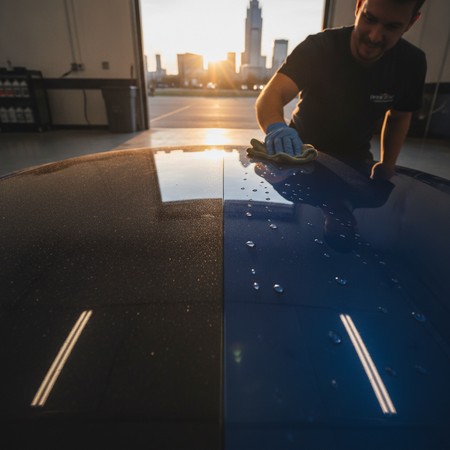
The Ceramic Coating Process from Prep to Finish
The ceramic coating process begins with a full exterior wash to remove loose dirt, followed by a chemical decontamination step that pulls out embedded iron particles and bonded contaminants from the paint surface. This gives the coating a clean foundation to bond to.
Once the surface is clean and dry, our team inspects the paint under controlled lighting to identify any defects that should be addressed before coating. Swirl marks, water spots, or light scratches are corrected at this stage rather than sealed in permanently beneath the coating.
The coating is then applied panel by panel in a controlled environment. Each layer is allowed to level before being wiped to a clean finish. After application, the coating requires a cure period before the vehicle is exposed to water or road conditions, giving the bond time to fully harden.
Ceramic coatings bond to your vehicle's clear coat at a molecular level, creating a hard, slick layer that water, dirt, and road grime cannot easily grip. After curing, the surface sheds contaminants far more readily than bare paint, which means fewer hours spent washing and less risk of introducing swirl marks during routine cleaning. Most coatings are rated for several years of protection under normal driving conditions.
The coating also provides a meaningful barrier against environmental fallout such as industrial dust, tree sap, bird droppings, and light oxidation. When these contaminants do land on a coated surface, they are much easier to rinse away before they have time to cause lasting damage. Combined with paint correction done beforehand, a properly applied ceramic coating preserves the finish in the best condition possible for the long term.
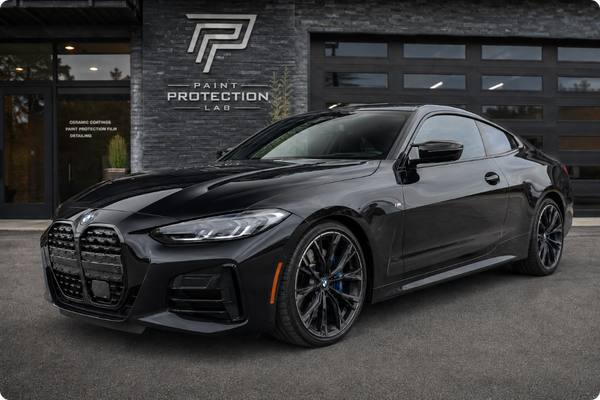
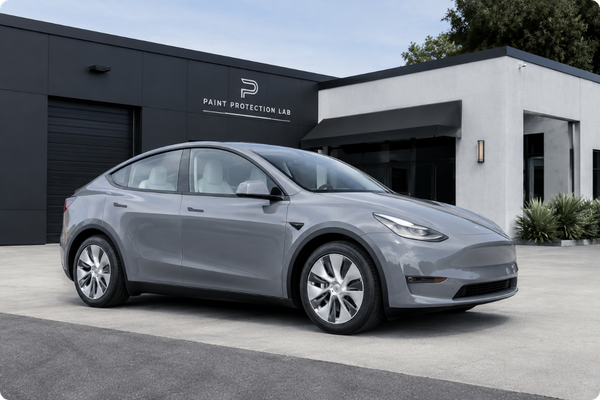
Recent JOBS By Paint Protection Lab
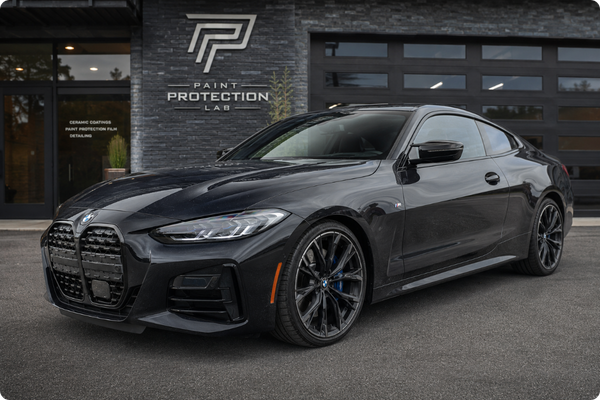
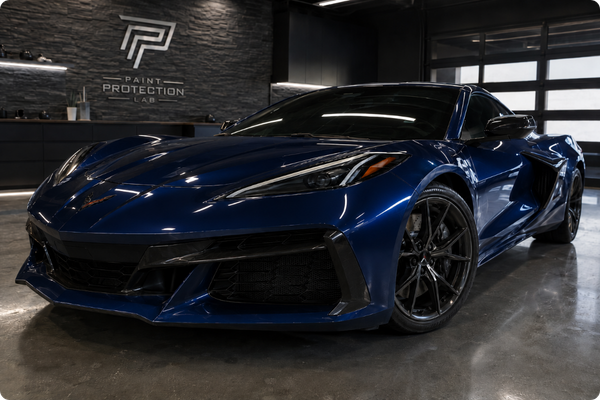
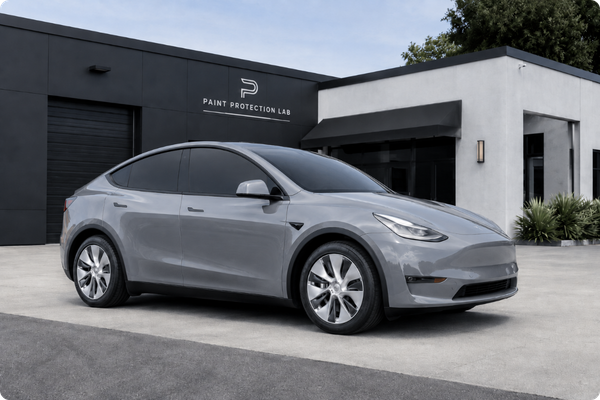
Choosing the Right Ceramic Coating Package
Not every vehicle needs the same coating package. A daily driver used in heavy traffic and parked outdoors has different protection needs than a weekend car stored in a garage. We look at how you use your vehicle, where it is typically parked, and what your cleaning routine looks like before recommending a specific coating tier.
Entry-level coatings provide solid hydrophobic performance and UV resistance for vehicles with good paint condition and regular care. Mid-tier and higher-grade coatings offer more hardness, greater thickness, and longer durability ratings that suit vehicles exposed to harsher conditions or owners who want the longest service life possible.
We also discuss whether adding paint protection film to high-impact zones makes sense alongside your coating. PPF handles physical impacts, ceramic coating handles chemical and UV protection. Together, they cover more of what your paint faces every day.
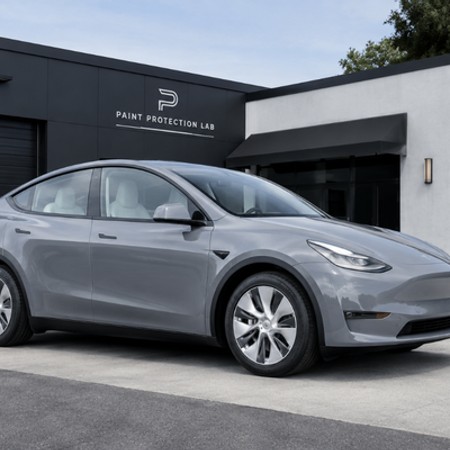
Vehicle owners who invest in ceramic coating often notice the biggest benefit in daily maintenance. Washing a coated vehicle takes noticeably less time because contaminants do not bond as aggressively to the slick, smooth surface. Water drops bead up and roll off during driving, which means the vehicle arrives cleaner after rain than an uncoated one would. Over months and years, this adds up to less effort and fewer products needed to keep the paint looking good.
For vehicles that already have paint protection film on high-impact zones, applying a ceramic coating over the top of the film and across the rest of the vehicle is a common and effective approach. The coating adds hydrophobic performance to the film surface and provides UV and chemical protection across all unfilmed panels. This combination covers both physical impact and environmental protection across the full exterior.
Why Ceramic Coating Is Worth the Investment
Choosing ceramic coatings means choosing a finish that works harder between every wash. The hydrophobic properties keep the surface cleaner longer, and the added gloss gives the paint a deep, wet look that stands out whether the vehicle is freshly washed or sitting in a parking lot.
Our team takes care to prep the paint correctly before any coating goes down. That means a thorough wash, decontamination, and paint correction where needed, so the coating bonds to a clean, defect-free surface rather than locking in existing flaws. Skipping that step is one of the most common mistakes vehicle owners encounter at shops that rush the process.
If you want to know whether a ceramic coating is the right fit for your vehicle, give us a call during business hours or reach out online. We will walk you through what to expect and put together a plan that matches your vehicle and goals.
Frequently Asked Questions
What is the difference between PPF and ceramic coating?
Paint protection film is a physical barrier that absorbs impact from rock chips, road debris, and scratches. Ceramic coating is a chemical layer that bonds to the paint and protects against UV rays, water spotting, chemical stains, and oxidation while adding gloss and slickness. PPF protects physically, ceramic coatings protect environmentally. Many vehicle owners use both together for complete coverage.
How long does a professional ceramic coating typically last on a vehicle?
Professional-grade ceramic coatings applied by a trained installer generally last anywhere from two to five years or longer, depending on the product tier, how the vehicle is maintained, and how much sun and weather exposure it gets. Consumer-grade coatings applied at home tend to wear away much faster. Proper maintenance and periodic inspections help extend the coating's effective life.
Is ceramic coating worth it for a vehicle I drive every day?
Yes, and daily drivers often benefit the most. A vehicle exposed to regular road grime, UV rays, bird droppings, and weather accumulates paint damage faster than one stored in a garage. Ceramic coating reduces how much sticks to the surface, makes washing quicker, and slows down UV fading and oxidation. For high-use vehicles, the protection and easier cleaning make the investment very practical.
What window tint percentage is legal for vehicles in North Carolina?
North Carolina law requires that front side windows allow at least 35 percent of visible light through. Rear side windows and the rear window on non-passenger vehicles can be darker. The windshield may only have tint applied above the AS-1 line. We are familiar with North Carolina's tint regulations and can help you choose a film that meets legal requirements while still providing meaningful heat and UV protection.
Does my vehicle need paint correction before ceramic coating is applied?
It depends on the current condition of your paint. Ceramic coating bonds to and locks in whatever the surface looks like at the time of application. If swirl marks, light scratches, oxidation, or haze are present before coating, they will remain visible after. Paint correction removes or reduces those defects first so the coating seals in a clean, smooth finish. We inspect your paint before recommending whether correction is needed.
How often should I wash or maintain a ceramic coated vehicle?
Regular washing is still important even with a ceramic coating in place. The coating makes washing easier and less frequent, but it does not make the vehicle self-cleaning. A gentle hand wash every two to four weeks is a common routine for coated vehicles. Avoid automatic brush car washes, as the abrasive brushes can degrade the coating over time. We provide maintenance guidance with every coating installation.
Can paint protection film and ceramic coating be applied to the same vehicle?
Yes, and combining both is one of the most effective approaches to vehicle protection. PPF goes on first to cover high-impact zones like the hood, bumper, and fenders. Ceramic coating can then be applied over the film and across all remaining painted surfaces. This gives the vehicle physical impact protection where it needs it most and chemical, UV, and hydrophobic protection across the entire exterior.
Will window tint actually make a noticeable difference in cabin temperature?
Yes. Quality window tint films, especially ceramic tint, can block a significant portion of solar heat from entering the cabin. The difference is most noticeable on hot, sunny days when an untinted vehicle becomes uncomfortable quickly. Reduced heat entering through the glass means less work for your air conditioning, which can also improve fuel efficiency. The cabin stays cooler and more comfortable even before the AC gets going.
How long does a full-front paint protection film installation take to complete?
A full-front PPF installation, which typically covers the hood, front bumper, fenders, mirrors, and headlights, usually takes one to two days depending on the vehicle's size, body lines, and the complexity of the panels involved. Custom-cut film that wraps edges or covers more complex curves takes additional time to install correctly. We give you a more specific timeline during your estimate based on the coverage package you choose.
What areas around Charlotte does your team serve for ceramic coating?
Our team serves Charlotte and the surrounding region, including Concord, Huntersville, and communities within a 50-mile radius. Vehicle owners across the greater Charlotte metro area bring their cars, trucks, SUVs, and exotics to our studio for ceramic coating, paint protection film, window tint, paint correction, and detailing. Reach out to confirm service availability for your specific location.
Contact Info
Service Hours
Social Media
Mon-Fri: 9:00AM - 6:00PM EST
Saturday: 10:00AM - 3:00PM EST
Sunday: 10:00AM - 3:00PM EST



Licensed & Insured
Connect With Our Socials
Contact Info
Service Hours
Mon-Fri: 9:00AM - 6:00PM EST
Saturday: 10:00AM - 3:00PM EST
Sunday: 10:00AM - 3:00PM EST
Social Media
Licensed & Insured
©2026 Paint Protection Lab
Powered by: Customers Plus
Powered by: Customers Plus
Powered by: Customers Plus