



Paint Correction
Paint Correction Services in Charlotte NC
Auto Body Repair

FSDAVCFEBFEVSDDVFSD

FSDAVCFEBFEVSDDVFSD

FSDAVCFEBFEVSDDVFSD
Restore Gloss Before Protection Is Applied
Paint correction removes the surface defects that accumulate over years of washing, driving, and exposure to the elements. Swirl marks, oxidation, light scratches, and haze scatter light across the clear coat, dulling the finish and making even a clean vehicle look tired. Machine polishing works through those defects layer by layer, restoring clarity and gloss to the paint underneath. The result is a surface that reflects light cleanly and evenly, much closer to how the vehicle looked when it left the factory.
This process matters beyond appearance. When paint correction is done before ceramic coating or paint protection film installation, those products bond to a clean, uniform surface rather than locking in flaws. Defects sealed under a coating become permanent. Defects removed before application stay gone. Starting with corrected paint gives any protection product the best possible foundation and keeps your vehicle looking sharp for years.
Restore Gloss Before Protection Is Applied
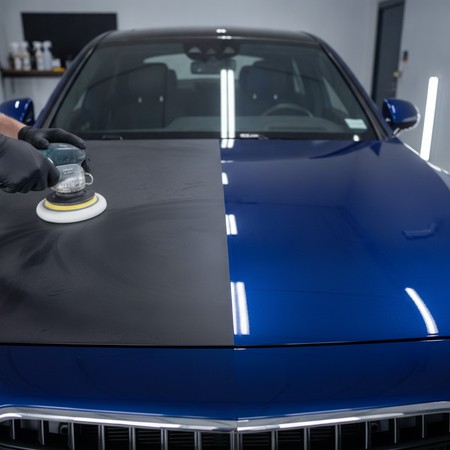
Paint correction removes the surface defects that accumulate over years of washing, driving, and exposure to the elements. Swirl marks, oxidation, light scratches, and haze scatter light across the clear coat, dulling the finish and making even a clean vehicle look tired. Machine polishing works through those defects layer by layer, restoring clarity and gloss to the paint underneath. The result is a surface that reflects light cleanly and evenly, much closer to how the vehicle looked when it left the factory.
This process matters beyond appearance. When paint correction is done before ceramic coating or paint protection film installation, those products bond to a clean, uniform surface rather than locking in flaws. Defects sealed under a coating become permanent. Defects removed before application stay gone. Starting with corrected paint gives any protection product the best possible foundation and keeps your vehicle looking sharp for years.
Defects Paint Correction Removes or Reduces
Swirl marks are the most common paint defect we see, and they show up most clearly in direct sunlight or under artificial lighting. They form from improper washing technique, automatic car washes, and dry wiping the surface. Machine polishing removes the fine scratching pattern that creates the swirl effect, returning the clear coat to a smooth, reflective finish.
Water spots, holograms from previous machine work, and light oxidation are also correctable through the right combination of compounds and polishes. Water spots etch into the clear coat when minerals are left to dry on the surface. Oxidation creates a chalky, faded look, especially on older vehicles or those parked outdoors regularly. Each defect type responds differently, which is why proper product selection and technique matter at every stage.
Light scratches that have not gone through the clear coat can be reduced or fully removed with multi-stage correction. Deeper scratches that reach the base coat or primer require a different approach, but many surface-level marks respond well to polishing.
Machine Polishing and Multi-Stage Correction Steps
Every correction job starts with a thorough inspection of the paint surface under dedicated lighting. The technician checks for swirl marks, haze, water spots, and oxidation, then uses a paint depth gauge to measure how much clear coat is available to work with safely. This step determines which correction approach is appropriate for the vehicle.
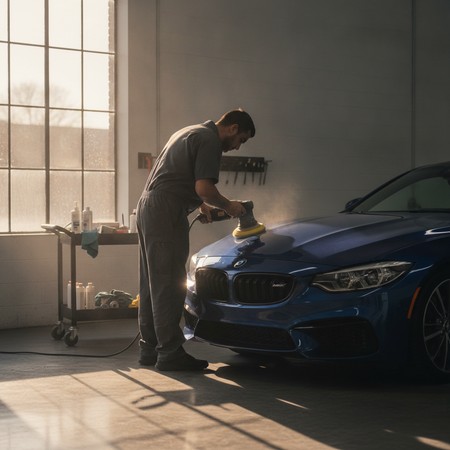
Once the inspection is complete, the correction process begins with the right combination of compounds and polishing pads matched to the defects present. Compounding removes heavier defects, while follow-up polishing steps smooth the surface and bring out the gloss.
Each stage is checked under high-intensity lighting to confirm progress before moving to the next step. This method protects the clear coat while working systematically toward a clean, even, defect-free finish.
Machine Polishing and Multi-Stage Correction Steps
Every correction job starts with a thorough inspection of the paint surface under dedicated lighting. The technician checks for swirl marks, haze, water spots, and oxidation, then uses a paint depth gauge to measure how much clear coat is available to work with safely. This step determines which correction approach is appropriate for the vehicle.
Once the inspection is complete, the correction process begins with the right combination of compounds and polishing pads matched to the defects present. Compounding removes heavier defects, while follow-up polishing steps smooth the surface and bring out the gloss.
Each stage is checked under high-intensity lighting to confirm progress before moving to the next step. This method protects the clear coat while working systematically toward a clean, even, defect-free finish.
After the correction stages are complete, the team conducts a final quality check using high-intensity inspection lighting. The surface is viewed from multiple angles to confirm that swirl marks, haze, and other defects have been fully addressed. Any areas that need additional attention are polished before the vehicle moves forward. This step is not optional. It is the standard the team holds every correction job to before considering the work finished.
Once the paint passes final inspection, the surface is properly prepped for whatever protective service follows. Whether that means a ceramic coating, paint protection film, or simply a well-maintained bare finish, the correction work sets the foundation. Paint in good condition responds better to coatings, holds protection longer, and looks noticeably better over time compared to paint that was coated or filmed without correction first.
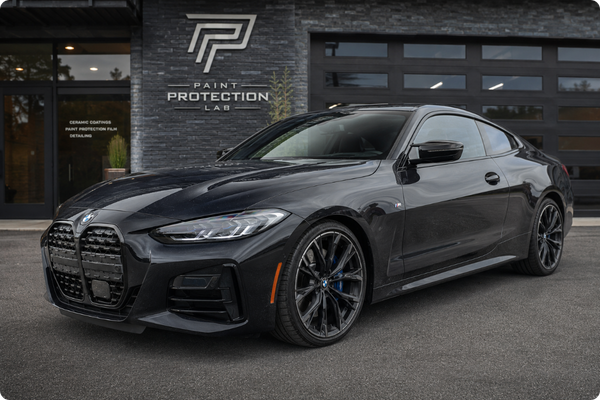
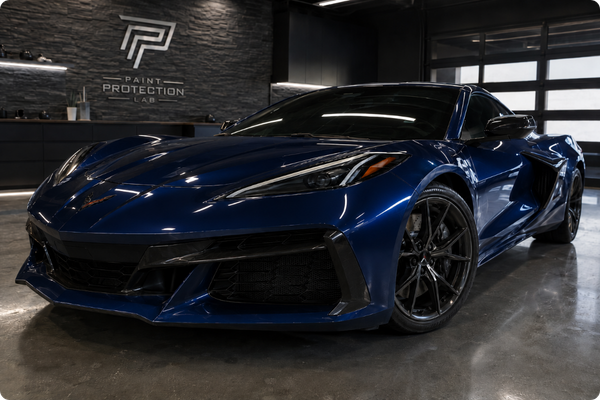
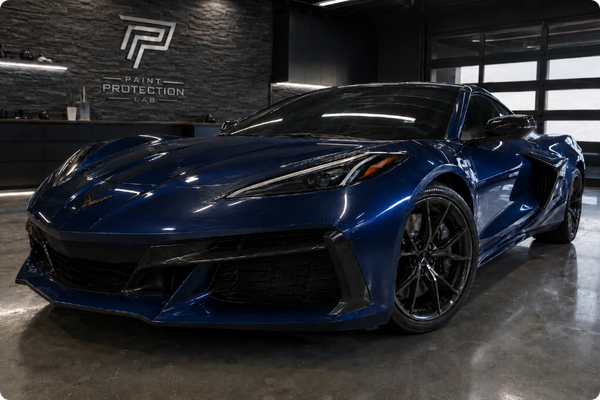
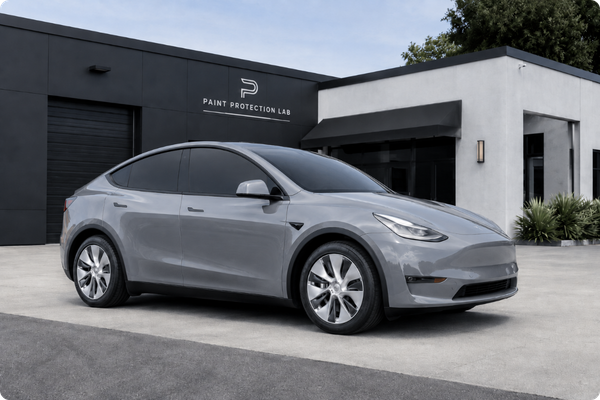
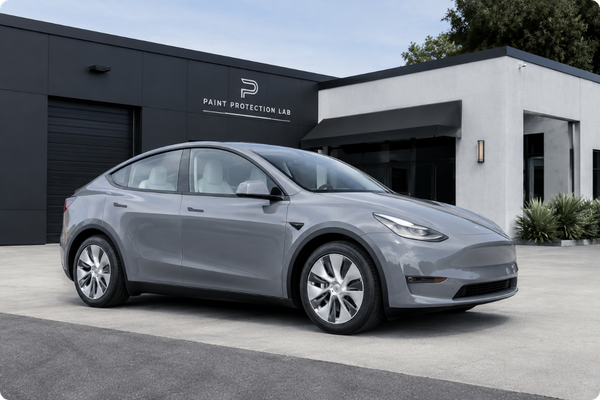
Recent JOBS By Paint Protection Lab
Why Correction Comes Before Coatings or PPF
When a ceramic coating or paint protection film goes on over uncorrected paint, every defect underneath gets locked in place. Swirl marks, haze, and light scratches become permanent features of the finish rather than something that can be addressed later. Correction removes those defects before the protective layer is applied, giving you a clean base to work from.
A coating applied over corrected paint reflects light evenly and produces a noticeably deeper gloss. The surface is uniform, smooth, and free of the dull patches or spider-web marks that show up on uncorrected finishes in direct sunlight. That visual difference is significant and long-lasting.
Skipping correction to save time or cost usually means spending more later, either living with a compromised finish or having the coating removed to address the paint underneath. Doing the work in the right order produces a better result from the start.
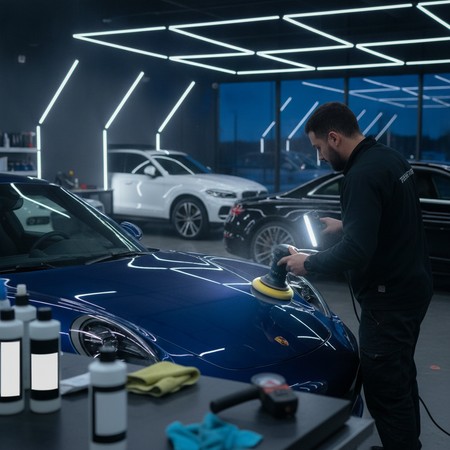
Corrected paint also holds its value better over time. A vehicle with a clean, uniform finish photographs well, reads as well-maintained, and supports a stronger resale position than one with visible swirling or fading. Buyers notice paint condition, and a dull or scratched finish raises questions about how the vehicle was cared for overall. Correction addresses that impression directly.
Whether you are preparing for a ceramic coating, getting ready for paint protection film, or simply want your vehicle to look its best, paint correction changes how the finish reads in any light. Our team takes each vehicle through a consistent, thorough process that accounts for the paint type, defect severity, and the protection products going on afterward. The end result is a surface that is clean, clear, and ready for whatever comes next.
Bring Back Your Vehicle's Deep, Clear Shine
Every vehicle that comes in for paint correction gets a plan based on its actual paint condition, defect type, and what comes next after the correction work is done. Some vehicles need a single-stage polish to address light swirling and restore gloss. Others need a full multi-stage correction with compounding, polishing, and finishing to work through heavier oxidation, scratches, or haze. We assess the paint first and plan the correction accordingly.
The work is done carefully and methodically, panel by panel, with paint depth readings guiding how aggressively each area can be addressed. We do not rush through correction because the finish you start with determines the quality of every protection product that follows. Getting this step right matters for both appearance and long-term results.
If you are ready to restore your vehicle's finish or prepare it for ceramic coating, paint protection film, or a full protection package, reach out to our team. We offer free estimates and can walk you through the right correction level for your vehicle and goals.
Frequently Asked Questions
What exactly is paint correction and what does it involve?
Paint correction is a machine polishing process that removes or reduces defects in a vehicle's clear coat. Technicians use polishing compounds, pads, and rotary or dual-action machines to work through swirl marks, oxidation, haze, light scratches, and water spots. The goal is to level the clear coat surface so it reflects light evenly and consistently, restoring clarity and gloss to the paint finish.
Can paint correction remove swirl marks from my vehicle's paint?
Yes. Swirl marks are one of the most common defects that paint correction addresses. They form from improper washing, dry wiping, and automatic car washes. Machine polishing works through the fine scratching pattern that creates the swirl effect, smoothing the clear coat surface so it reflects light cleanly. In most cases, swirl marks can be significantly reduced or fully removed depending on their depth.
What is the difference between single-stage and multi-stage paint correction?
Single-stage correction uses one polishing step to remove light swirls and surface haze. Multi-stage correction involves a compounding step followed by one or more polishing steps to address deeper defects, holograms, and oxidation. The right approach depends on your paint's current condition. During the inspection, the team evaluates defect depth and recommends the correction level that will produce the best result without removing more clear coat than necessary.
Should I get paint correction done before a ceramic coating?
Yes, correction before coating is strongly recommended. Ceramic coatings bond directly to the clear coat and lock in whatever condition the surface is in at the time of application. Swirl marks, scratches, or haze present before coating will remain visible under it permanently. Correcting the paint first means the coating goes on a clean, smooth surface and the finished result looks as good as the protection lasts.
Can paint correction remove deep scratches that go through the clear coat?
Paint correction can remove or reduce scratches that are contained within the clear coat layer. If a scratch has gone through the clear coat and into the base coat, color coat, or primer, polishing alone cannot fix it. Those areas typically require touch-up paint or bodywork. A paint depth reading and close inspection during the assessment stage will confirm which scratches are correctable and which are not.
Is machine polishing safe for the clear coat on my vehicle?
Yes, when performed correctly. A paint depth gauge is used before any polishing begins to confirm the clear coat has enough thickness to safely work with. Technicians select the appropriate compound and pad combination for each panel, which avoids removing more material than necessary. Proper technique, product selection, and paint depth awareness keep the process safe for the clear coat throughout the correction.
How long does paint correction last after it has been completed?
Paint correction itself is permanent in the sense that removed defects do not come back on their own. However, new swirl marks and surface defects can develop again over time through washing and normal use. Applying a ceramic coating or paint protection film after correction helps protect the corrected surface and significantly slows the return of new defects, which is why combining correction with protection makes the most sense.
How long does a full paint correction service typically take?
The time required depends on the vehicle size, paint condition, and correction level needed. A single-stage polish on a well-maintained vehicle may take four to six hours. A full multi-stage correction on a larger vehicle with significant defects can take a full day or longer. We assess each vehicle before quoting a time estimate so expectations are clear before any work begins.
How is paint correction different from a standard auto detailing service?
Auto detailing focuses on cleaning, decontaminating, and maintaining the vehicle inside and out. Paint correction specifically addresses defects in the clear coat through machine polishing. Detailing can make a vehicle look clean, but it does not remove swirl marks, oxidation, or scratches. Correction changes the actual surface condition of the paint, which is a more involved process requiring specialized equipment and training.
What factors affect the cost of a paint correction service?
Cost depends on the vehicle's size, the severity of the paint defects, and the number of correction stages needed. A single-stage polish on a small car with light swirling costs less than a full multi-stage correction on a large SUV with heavy oxidation and scratches. Whether a protective product like ceramic coating or PPF is being applied afterward may also influence how thorough the correction needs to be.
Contact Info
Service Hours
Social Media
Mon-Fri: 9:00AM - 6:00PM EST
Saturday: 10:00AM - 3:00PM EST
Sunday: 10:00AM - 3:00PM EST



Licensed & Insured
Connect With Our Socials
Contact Info
Service Hours
Mon-Fri: 9:00AM - 6:00PM EST
Saturday: 10:00AM - 3:00PM EST
Sunday: 10:00AM - 3:00PM EST
Social Media
Licensed & Insured
©2026 Paint Protection Lab
Powered by: Customers Plus
Powered by: Customers Plus
Powered by: Customers Plus