



Paint Protection Film
Paint Protection Film and Clear Bra Installation Charlotte

FSDAVCFEBFEVSDDVFSD

FSDAVCFEBFEVSDDVFSD

FSDAVCFEBFEVSDDVFSD
What Paint Protection Film Does for Your Car
Paint protection film is a clear urethane film applied directly to your vehicle's painted surfaces. It acts as a physical barrier between the paint and the road, absorbing impacts from rock chips, gravel, insects, and minor road debris before they can reach the clear coat. The film is optically clear, so it does not change the appearance of your paint. It simply sits on top and takes the hits so the finish underneath does not have to.
PPF is available in several coverage levels. High-impact area shields focus on the front bumper, hood, mirrors, and door edges where chips are most likely. Full-front coverage extends across the entire hood, fenders, and bumper. More complete packages cover additional panels or the full vehicle. Our team evaluates each vehicle and recommends coverage based on the paint condition, driving habits, and protection goals.
What Paint Protection Film Does for Your Car
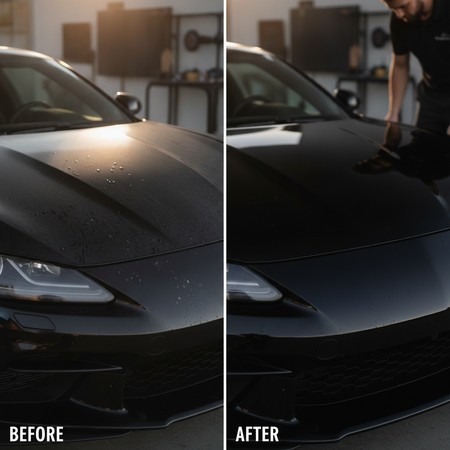
Paint protection film is a clear urethane film applied directly to your vehicle's painted surfaces. It acts as a physical barrier between the paint and the road, absorbing impacts from rock chips, gravel, insects, and minor road debris before they can reach the clear coat. The film is optically clear, so it does not change the appearance of your paint. It simply sits on top and takes the hits so the finish underneath does not have to.
PPF is available in several coverage levels. High-impact area shields focus on the front bumper, hood, mirrors, and door edges where chips are most likely. Full-front coverage extends across the entire hood, fenders, and bumper. More complete packages cover additional panels or the full vehicle. Our team evaluates each vehicle and recommends coverage based on the paint condition, driving habits, and protection goals.
How Paint Protection Film Guards Your Vehicle's Finish
Paint protection film is applied to the areas of your vehicle most vulnerable to road damage. The hood, front bumper, mirrors, and fenders take the hardest hits from gravel, debris, and highway driving. PPF creates a durable, nearly invisible barrier that absorbs those impacts before they reach your paint.
Ceramic coatings work differently. Rather than absorbing physical impact, a coating bonds chemically to the paint surface and creates a hard, slick layer that repels water, dirt, and environmental contaminants. The result is a high-gloss finish that stays cleaner longer and is far easier to wash.
Window tint addresses comfort and UV exposure inside the cabin. High-quality tint film rejects heat, reduces glare, blocks UV radiation, and protects your interior materials from sun damage. For drivers who spend significant time in their vehicle, tint is one of the most practical upgrades available.
Paint Correction and Prep Before Film Installation
Before any coating or film goes on, the team evaluates the current condition of your paint. That includes checking for swirl marks, oxidation, haze, light scratches, and surface contamination. This step determines whether paint correction is needed before protection and what level of correction will produce the best result.
Paint correction removes or reduces surface defects using machine polishing techniques and professional-grade compounds. The goal is a clean, smooth, and uniform paint surface that gives PPF or ceramic coating the best possible foundation.
The correction process is done in stages depending on the severity of the defects. Minor swirl removal may take a single polishing pass, while heavier oxidation or scratching requires more involved work. Either way, the finish is inspected carefully before moving forward.
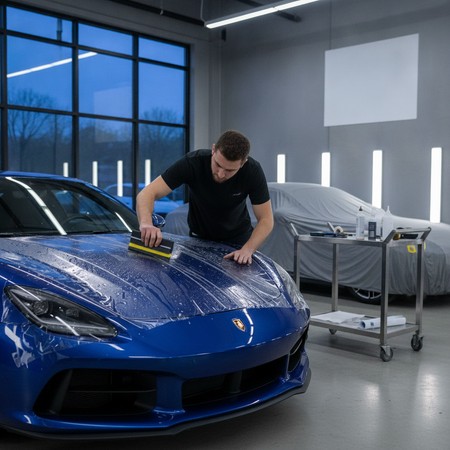
Paint Correction and Prep Before Film Installation
Before any coating or film goes on, the team evaluates the current condition of your paint. That includes checking for swirl marks, oxidation, haze, light scratches, and surface contamination. This step determines whether paint correction is needed before protection and what level of correction will produce the best result.
Paint correction removes or reduces surface defects using machine polishing techniques and professional-grade compounds. The goal is a clean, smooth, and uniform paint surface that gives PPF or ceramic coating the best possible foundation.
The correction process is done in stages depending on the severity of the defects. Minor swirl removal may take a single polishing pass, while heavier oxidation or scratching requires more involved work. Either way, the finish is inspected carefully before moving forward.
Window tint plays a bigger role in vehicle protection than most people expect. Quality film blocks a significant portion of UV rays, which slows fading on dashboards, seats, leather, and trim. Combined with PPF and ceramic coating, tint rounds out a protection plan that addresses both interior and exterior wear simultaneously.
Paint correction is the step that makes the rest of the plan work as intended. Applying a ceramic coating or paint protection film over a surface covered in swirl marks, haze, or light scratches locks those defects in place permanently. Correcting the finish first means the coating or film bonds to a clean, smooth surface, producing a better final result and a stronger long-term hold.
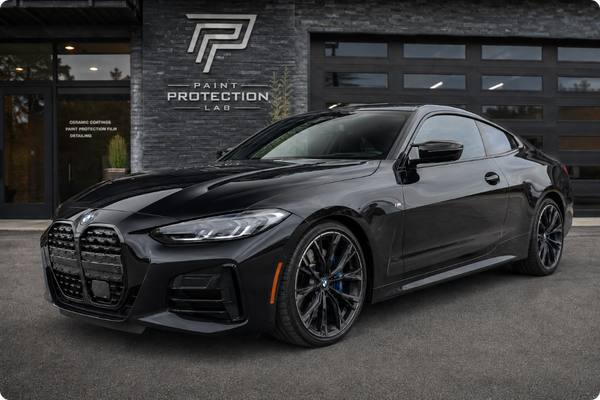
Recent JOBS By Paint Protection Lab
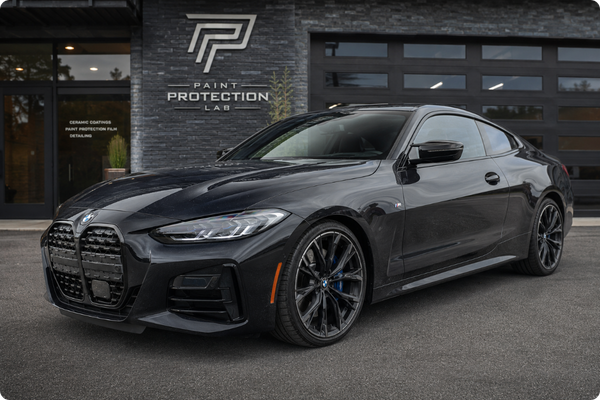
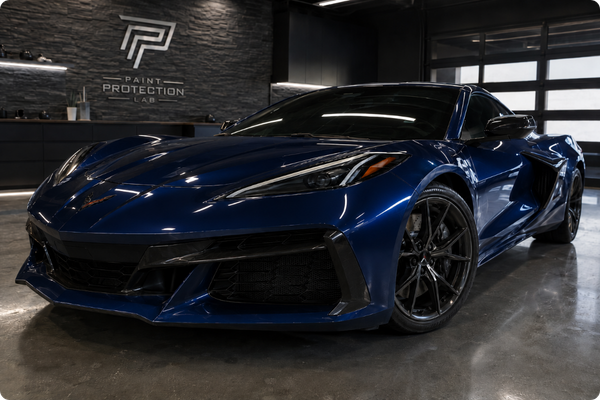
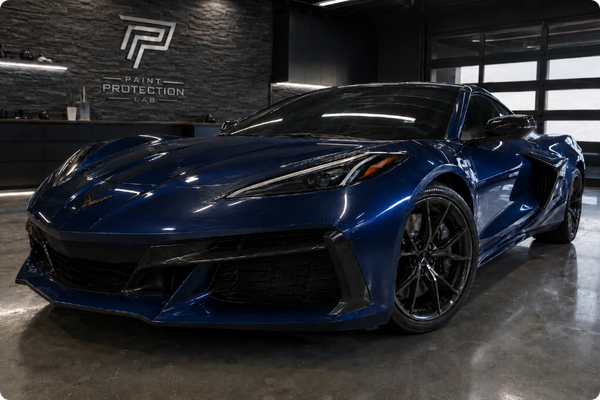
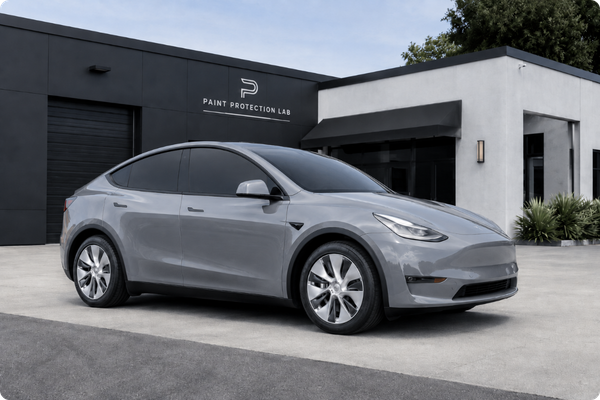
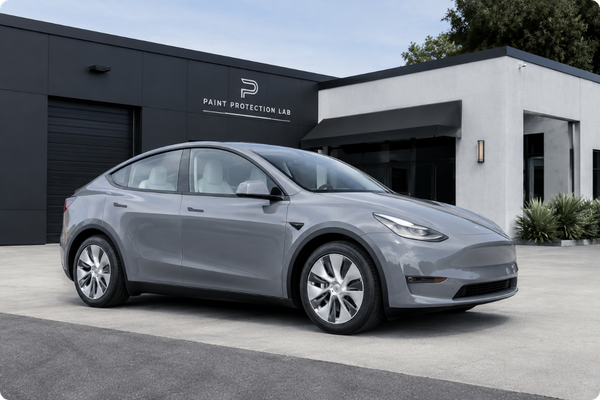
Choosing the Right PPF Coverage for Your Vehicle
Partial coverage is a practical starting point for many vehicle owners. High-impact area shields on the front bumper, hood leading edge, fenders, and mirrors protect the zones most likely to collect rock chips and road debris during everyday driving. This level of coverage makes a meaningful difference without requiring a full-vehicle installation.
Full-front PPF coverage takes protection further by wrapping the entire hood, both front fenders, the full front bumper, and the mirrors. This is a popular choice for vehicles used on highways or roads where debris exposure is frequent. The larger coverage area reduces the chance of chips reaching unprotected paint on the high-visibility sections of the vehicle.
Complete vehicle packages are available for owners who want maximum coverage. This is common for exotic vehicles, luxury SUVs, and new vehicles where preserving the paint in original condition is a priority from day one.
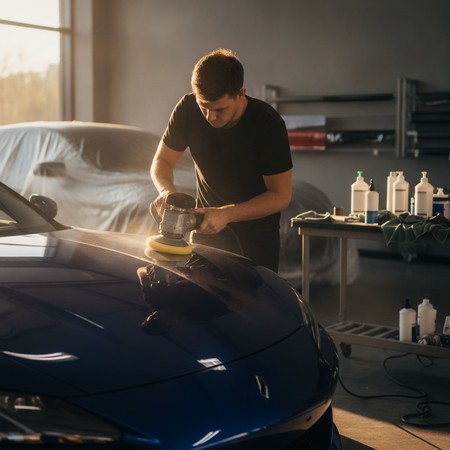
A ceramic coating applied over corrected paint produces a noticeably deeper, cleaner gloss than a coating applied over a flawed surface. The coating bonds more evenly, the finish looks more consistent across all panels, and the hydrophobic performance is stronger from the first wash. Taking the time to correct the paint before coating is an investment that improves every aspect of the finished result.
Detailing supports the long-term performance of every protection layer on your vehicle. Regular maintenance washes, decontamination treatments, and interior care prevent buildup that could compromise a coating or film over time. A well-maintained protected vehicle holds its appearance far longer than one that receives protection without ongoing care.
Get Your Custom Paint Protection Film Plan Started
Choosing the right combination of services comes down to understanding what your vehicle actually needs. A daily driver that sees highway miles regularly benefits most from PPF on high-impact zones, a ceramic coating for easy maintenance, and window tint for comfort and UV control. A weekend vehicle with light use might need only correction and a coating to preserve the finish long term.
Our team builds a protection plan around your specific vehicle, its current paint condition, how you drive, and what you want to achieve. There is no single package that fits every situation, which is why we take the time to assess before recommending. You get a plan that makes sense for your vehicle, not a one-size-fits-all option.
Reach out to get started with a free estimate. We will walk through your vehicle's condition, discuss your goals, and put together a plan that gives you the right level of protection from day one.
Frequently Asked Questions
What is the difference between PPF and ceramic coating for paint protection?
Paint protection film and ceramic coating are different products that serve different purposes. PPF is a physical film that protects against rock chips, scratches, and road debris by absorbing impacts before they reach the paint. Ceramic coating is a liquid that bonds to the surface and creates a hard, hydrophobic layer that improves gloss, makes cleaning easier, and resists contamination. Many vehicle owners choose to apply both for layered protection.
How long does paint protection film typically last on a vehicle?
High-quality paint protection film typically lasts seven to ten years when properly maintained. Longevity depends on the brand of film used, how the vehicle is washed, and how much sun and road exposure it receives. Self-healing films hold up especially well because minor surface scratches repair on their own. Regular washing and avoiding harsh chemicals help the film perform well throughout its full lifespan.
Is ceramic coating worth the investment for daily driven vehicles?
Ceramic coating is a worthwhile investment for daily drivers. Vehicles driven regularly are exposed to constant contamination, UV light, bird droppings, road film, and washing that gradually degrades unprotected paint. Ceramic coating creates a durable, easy-to-clean barrier that holds up to daily exposure better than wax or sealant. It also keeps the paint looking cleaner between washes, which reduces the frequency and effort of maintenance over the coating's lifespan.
What percent window tint is legal on vehicles in North Carolina?
North Carolina law sets window tint limits based on visible light transmission. For passenger vehicles, front side windows must allow at least 35% of light through. Rear side and back windows have more flexible rules depending on vehicle type. Reflective or mirrored tint is restricted. Our team installs tint that meets current NC standards and can walk you through the options before your appointment.
Do I need paint correction before getting PPF or ceramic coating?
Yes, paint correction and PPF work very well together. Paint correction removes swirl marks, haze, and light scratches before the film is applied. This matters because PPF magnifies whatever is on the surface underneath it. Installing film over uncorrected paint traps those imperfections permanently. Getting correction done first means the film goes on over a smooth, clean finish and looks its best from day one.
Can paint protection film be applied over any type of vehicle paint?
Yes. Most quality paint protection film is designed to be applied over any factory or properly refinished paint surface. The film uses a pressure-sensitive adhesive that bonds without damaging the clear coat when removed correctly. It works on standard factory finishes, matte wraps, and specialty paint. Our team inspects the surface condition before installation to confirm the paint is in suitable shape to hold the film properly.
Can I combine paint protection film and ceramic coating on my vehicle?
Yes, window tint significantly reduces cabin heat. Quality films block a large portion of solar energy, which reduces the temperature inside your vehicle, especially during summer months in Charlotte. Less heat entering the cabin means less reliance on air conditioning, which also reduces fuel consumption slightly. Tint also blocks UV rays, which damage interior surfaces over time. The combination of heat and UV reduction makes the interior more comfortable and better preserved.
Will window tint actually help keep my car cooler inside?
Yes. PPF and ceramic coating are commonly applied together and work well as a layered system. PPF provides physical protection against chips and scratches. Ceramic coating applied over the film adds hydrophobic properties, making the surface easier to clean and more resistant to contamination. The coating also adds gloss over the film. Together they give your vehicle both impact protection and surface-level durability that neither product provides on its own.
How long does a full-front PPF installation take to complete?
A full-front PPF installation typically takes one full day. Depending on the complexity of the vehicle's body lines and the specific coverage package, some installations may run slightly longer. Whole-vehicle packages generally require more time. During your estimate appointment, our team will give you a realistic timeline based on your vehicle and chosen coverage so you can plan accordingly.
What cities and areas do you serve around Charlotte, NC?
We serve Charlotte, Concord, Huntersville, and surrounding communities within approximately 50 miles. If you are unsure whether your location falls within our service area, reach out and we can confirm. We work with vehicle owners across a wide part of the greater Charlotte region and are happy to discuss options for your specific location.
Contact Info
Service Hours
Social Media
Mon-Fri: 9:00AM - 6:00PM EST
Saturday: 10:00AM - 3:00PM EST
Sunday: 10:00AM - 3:00PM EST



Licensed & Insured
Connect With Our Socials
Contact Info
Service Hours
Mon-Fri: 9:00AM - 6:00PM EST
Saturday: 10:00AM - 3:00PM EST
Sunday: 10:00AM - 3:00PM EST
Social Media
Licensed & Insured
©2026 Paint Protection Lab
Powered by: Customers Plus
Powered by: Customers Plus
Powered by: Customers Plus