



Window Tint
Professional Window Tint Installation for Charlotte Vehicles
Auto Body Repair

FSDAVCFEBFEVSDDVFSD

FSDAVCFEBFEVSDDVFSD

FSDAVCFEBFEVSDDVFSD
What Window Tint Actually Does for Your Vehicle
Window tint does more than change the look of a vehicle. A quality tint film blocks a significant portion of solar heat from entering the cabin, which means your air conditioning works less and interior temperatures stay more manageable on hot Carolina days. It also filters out ultraviolet light, which is one of the primary causes of fading, cracking, and discoloration on dashboards, seats, and door panels over time. Choosing the right film makes a real difference in daily comfort.
Our team offers tint options across a range of visible light transmission levels to suit privacy preferences, driving conditions, and North Carolina's legal limits. Whether you drive a daily commuter, a truck, or a luxury vehicle, we match the right film to your specific goals. Glare reduction, UV protection, heat rejection, and interior preservation all factor into the recommendation we make for your vehicle.
What Window Tint Actually Does for Your Vehicle
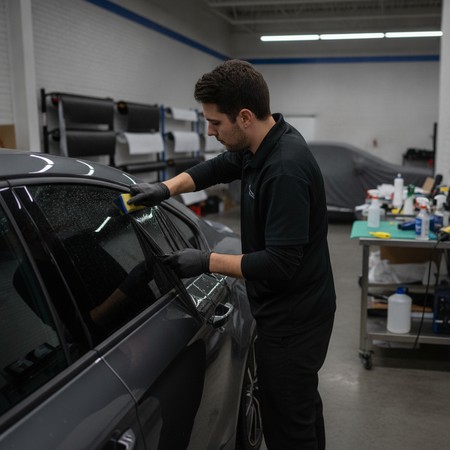
Window tint does more than change the look of a vehicle. A quality tint film blocks a significant portion of solar heat from entering the cabin, which means your air conditioning works less and interior temperatures stay more manageable on hot Carolina days. It also filters out ultraviolet light, which is one of the primary causes of fading, cracking, and discoloration on dashboards, seats, and door panels over time. Choosing the right film makes a real difference in daily comfort.
Our team offers tint options across a range of visible light transmission levels to suit privacy preferences, driving conditions, and North Carolina's legal limits. Whether you drive a daily commuter, a truck, or a luxury vehicle, we match the right film to your specific goals. Glare reduction, UV protection, heat rejection, and interior preservation all factor into the recommendation we make for your vehicle.
Window Tint Films, Grades, and What They Block
Not all window tint films perform the same way. Dyed films are the most common entry-level option. They reduce glare and add some privacy, but they absorb heat rather than reflecting it, which limits how well they perform on hot days. Carbon films step up in performance by blocking more infrared heat and holding their color better over time without the purpling effect that older dyed films sometimes develop.
Ceramic window tint is the top-performing option available. It uses non-metallic, non-conductive ceramic particles to block infrared heat at a high level while staying optically clear. Ceramic tint will not interfere with GPS signals, phone reception, or any other electronic system in your vehicle, which makes it a strong choice for modern cars with built-in tech. It also blocks over 99 percent of UV radiation in most formulations.
When you visit our shop, we walk you through the film options side by side. We look at your vehicle's existing glass, your primary concerns, whether that is heat, UV, glare, or privacy, and recommend a film and shade level that fits your situation without guessing.
How We Install Window Tint at Our Shop
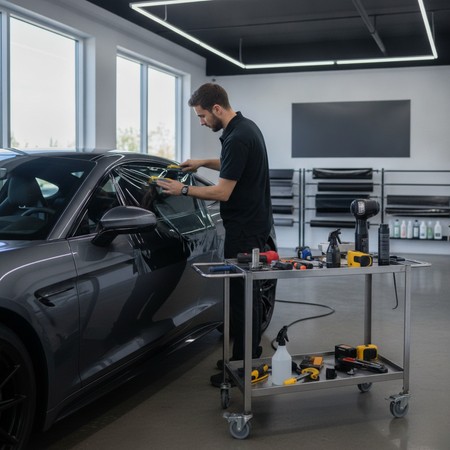
Every tint installation starts with a thorough cleaning of the glass. Any dust, adhesive residue, or contamination on the surface can create bubbles or adhesion problems once the film goes down, so this step is taken seriously before anything else happens. The glass is inspected under lighting to confirm it is clean and clear.
Each panel of film is computer-cut or hand-cut to match your vehicle's exact window dimensions. Our team fits the film dry first to confirm alignment and coverage before the adhesive side touches the glass. This step helps avoid repositioning mistakes and keeps the film clean through the installation.
Once each panel is applied, the film is carefully worked flat using professional squeegees to push out any moisture and seat the adhesive evenly. The vehicle stays in our controlled shop environment during installation, which reduces dust and debris that can get trapped during curing.
How We Install Window Tint at Our Shop
Every tint installation starts with a thorough cleaning of the glass. Any dust, adhesive residue, or contamination on the surface can create bubbles or adhesion problems once the film goes down, so this step is taken seriously before anything else happens. The glass is inspected under lighting to confirm it is clean and clear.
Each panel of film is computer-cut or hand-cut to match your vehicle's exact window dimensions. Our team fits the film dry first to confirm alignment and coverage before the adhesive side touches the glass. This step helps avoid repositioning mistakes and keeps the film clean through the installation.
Once each panel is applied, the film is carefully worked flat using professional squeegees to push out any moisture and seat the adhesive evenly. The vehicle stays in our controlled shop environment during installation, which reduces dust and debris that can get trapped during curing.
One question we hear often is whether ceramic window tint is worth the additional cost compared to standard dyed film. The short answer is yes for most drivers. Ceramic tint contains no metal or dye, which means it will not interfere with phone signals, GPS, or toll transponders. It also provides superior heat rejection and holds its clarity longer without fading to a purple or brown hue over time. For vehicles parked in full sun regularly, the performance difference is meaningful.
We take the time during every consultation to explain these differences so you can make an informed choice based on your vehicle, your budget, and how you drive. Tint is not a one-size decision. The right film depends on your priorities, whether that is maximum heat rejection, a specific appearance, privacy in the rear cabin, or long-term interior protection from UV exposure.
Recent JOBS By Paint Protection Lab
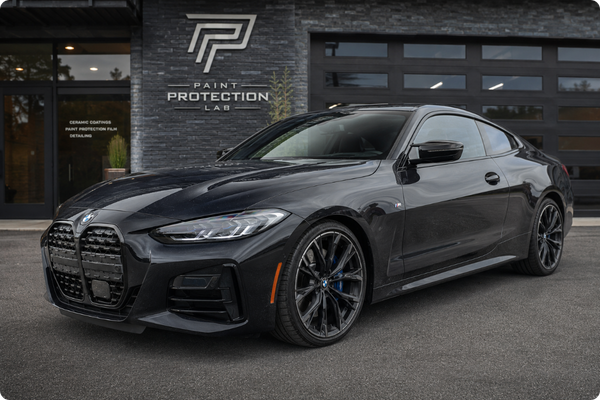
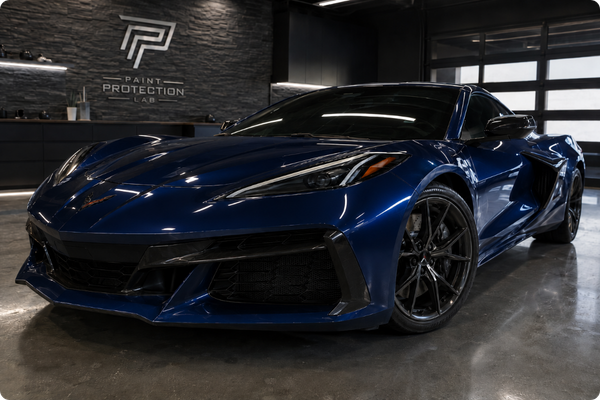
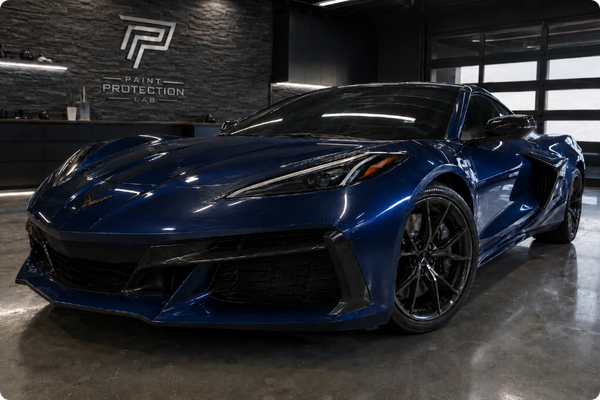
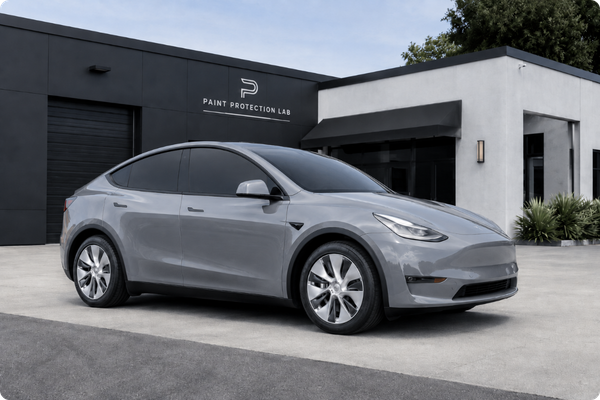
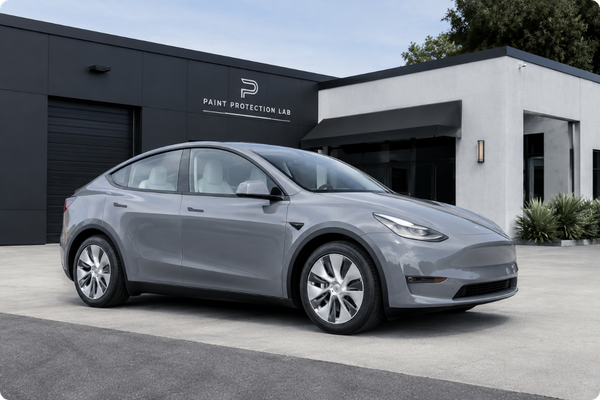
Tint, PPF, and Coating Together on One Vehicle
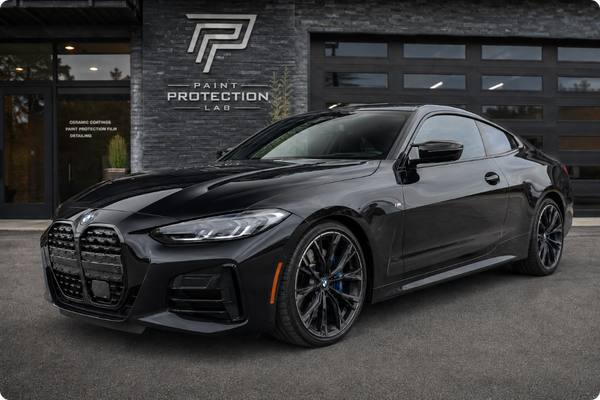
Window tint works best when it is part of a broader protection plan rather than a standalone add-on. When combined with paint protection film and ceramic coating, tint rounds out the vehicle's overall defense. The exterior stays protected from chips and UV damage. The glass reduces solar heat and blocks ultraviolet light from reaching the interior.
The interior benefits are real and long-lasting. Sun exposure is one of the fastest ways to age a vehicle's cabin. Fading, brittleness, and discoloration in seats, dashboards, and door panels are largely preventable with proper tint coverage.
Our team assesses each vehicle individually before making a recommendation. We consider the glass configuration, the amount of direct sun exposure the vehicle typically sees, and the customer's goals for comfort, privacy, and appearance before suggesting a specific film type or shade.
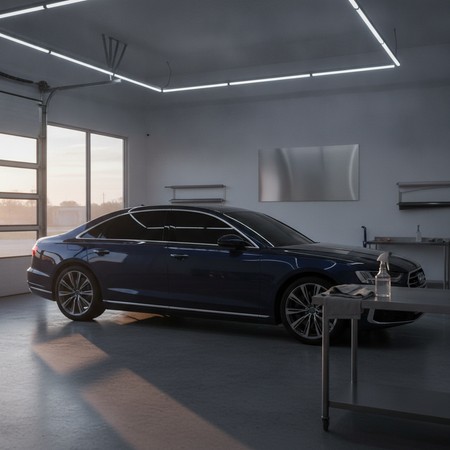
A properly tinted vehicle is also easier to maintain over time. The film acts as a barrier against UV rays that would otherwise break down interior materials gradually. Leather seats, vinyl trim, and even factory-installed screens and displays benefit from reduced direct sun exposure. Drivers who invest in window tint often report that their interior looks newer longer, which supports the vehicle's overall resale value when the time comes to sell or trade.
We stand behind every tint installation with attention to long-term quality. Film selection, surface preparation, and the installation process itself all determine how well the tint performs and how long it lasts. Our team uses professional-grade films from trusted suppliers and applies them with the same care and precision we bring to every other protection service we offer at the studio.
Get the Right Tint for Your Vehicle and Goals
Window tint is one of those services that pays off in ways you notice every single day. Cooler cabin temperatures, reduced eye strain on bright afternoon drives, and upholstery that holds its color far longer than an untinted vehicle. These are practical, tangible results that come from choosing the right film and having it installed correctly from the start.
Our installation process starts with a thorough cleaning of the glass surface to remove any contaminants that could cause bubbling or lifting over time. Film is then precisely cut and applied using professional tools and technique. We check every edge, corner, and seam before the job is considered finished. There are no shortcuts taken with prep or materials.
If you have questions about shade levels, film types, ceramic tint versus standard dyed film, or what is legal in North Carolina, our team will walk you through the options clearly. We want you to feel confident about what you are getting before any film goes on the glass.
Frequently Asked Questions
What is the difference between PPF and ceramic coating?
Paint protection film is a physical layer of clear urethane that sits on top of the paint and absorbs rock chips, road debris, and surface impacts. Ceramic coating is a liquid treatment that bonds to the paint surface and creates a hard, slick layer that improves gloss, repels water, and resists light contamination. PPF handles physical damage; ceramic coating handles surface maintenance and appearance.
How long does paint protection film typically last on a vehicle?
Most professional-grade paint protection film lasts between five and ten years depending on the film brand, installation quality, and how the vehicle is used and maintained. Films installed on high-impact areas like the front bumper and hood edges tend to see more wear than other panels. Proper care, including hand washing and avoiding harsh chemicals, extends the film's performance and appearance over time.
Is ceramic coating worth the investment for a daily driver?
Yes, ceramic coating adds real value to daily drivers. It makes the paint significantly easier to clean, reduces how often you need to wash the vehicle, and protects against light contamination like bird droppings, pollen, and road grime. The coating also maintains gloss between washes and provides a level of UV protection that slows oxidation and fading. For vehicles driven regularly in varied conditions, the long-term payoff is straightforward.
What percent window tint is legal in North Carolina?
In North Carolina, front side windows must allow at least 35 percent of visible light to pass through. The same 35 percent limit applies to the rear side windows and the rear window unless the vehicle has dual outside mirrors. The front windshield may only have tint applied to the top five inches. Our team installs tint in full compliance with state law and can walk you through which shades apply to which windows on your specific vehicle.
Does paint need to be corrected before a ceramic coating is applied?
Paint correction before ceramic coating is strongly recommended when the paint has visible swirl marks, light scratches, oxidation, or haze. Ceramic coating bonds directly to the paint surface and locks in whatever condition that surface is in. Applying a coating over defects seals those defects underneath. A paint correction pass before coating gives you a cleaner, glossier base for the coating to bond to, which produces a noticeably better finished result.
How often should a protected vehicle be detailed after coating?
A ceramic-coated vehicle still benefits from regular detailing, though the intervals can often be longer than with unprotected paint. Most coated vehicles do well with a thorough detail once or twice a year, combined with routine hand washing in between. Detailing checks the coating condition, removes any embedded contamination, and keeps the hydrophobic performance working as expected. Our team can assess your coating at each detail appointment and advise on maintenance from there.
Can paint protection film and ceramic coating be applied together?
Yes, and combining both is one of the most effective approaches to vehicle protection. PPF goes on first in high-impact areas, then ceramic coating is applied over the film and over the remaining unprotected paint. This gives you physical impact protection on vulnerable panels and easy-clean, high-gloss performance across the full surface. The two products are compatible and work well as a layered system rather than competing with each other.
Will window tint actually make my car noticeably cooler inside?
Yes, particularly with higher-grade films like ceramic window tint. These films block a significant portion of infrared solar heat before it enters the cabin. The difference is most noticeable on hot, sunny days when an untinted vehicle heats up quickly after sitting in the sun. Ceramic tint can reduce cabin temperatures measurably, which also reduces how hard your air conditioning has to work to cool things down after you get in.
How long does a full-front PPF installation typically take to complete?
A full-front paint protection film installation, covering the hood, front bumper, fenders, mirrors, and headlights, generally takes one to two days depending on the vehicle and the complexity of the panels. Some vehicles with tight curves or detailed body lines require more precise fitting and extra time for the film to set properly. We give each customer an estimated timeline before the appointment and communicate throughout the process.
What cities and areas do you serve around Charlotte, NC?
Paint Protection Lab is based in Charlotte and serves customers within a 50-mile radius. That includes Concord, Huntersville, Mooresville, Matthews, Mint Hill, Gastonia, Kannapolis, and other surrounding communities. If you are unsure whether your location falls within our service area, reach out and our team will let you know. Most customers in the greater Charlotte metro area are within a comfortable distance for an appointment.
Contact Info
Service Hours
Social Media
Mon-Fri: 9:00AM - 6:00PM EST
Saturday: 10:00AM - 3:00PM EST
Sunday: 10:00AM - 3:00PM EST



Licensed & Insured
Connect With Our Socials
Contact Info
Service Hours
Mon-Fri: 9:00AM - 6:00PM EST
Saturday: 10:00AM - 3:00PM EST
Sunday: 10:00AM - 3:00PM EST
Social Media
Licensed & Insured
©2026 Paint Protection Lab
Powered by: Customers Plus
Powered by: Customers Plus
Powered by: Customers Plus